A file shared as the “final build” of GTA 6 for PC contained malware, according to users of the g6mods Discord server. One modder said the file, G6M_FINAL.exe, targeted crypto wallet details and seed phrases, as well as browser passwords and cookies, Telegram sessions, screenshots, and Steam and VPN credentials.
The person who posted the file encouraged users to scan it or test it in a sandbox. Server users warned that some security scans could miss it. Replies to those warnings suggested some users might already have been infected, but did not confirm any wallet losses. Similar malware disguised as GTA 6 downloads was also reported elsewhere online.
Why players were looking for a PC build
As of November 26, 2026, GTA 6 was available only on Xbox and PlayStation, where it ran at 30 frames per second. Some PC players wanted to play at 60 frames per second. Others complained that the release schedule encouraged them to buy the game twice: once on console and again when a PC version arrived. Analysts estimated the game had already sold 47 million copies.
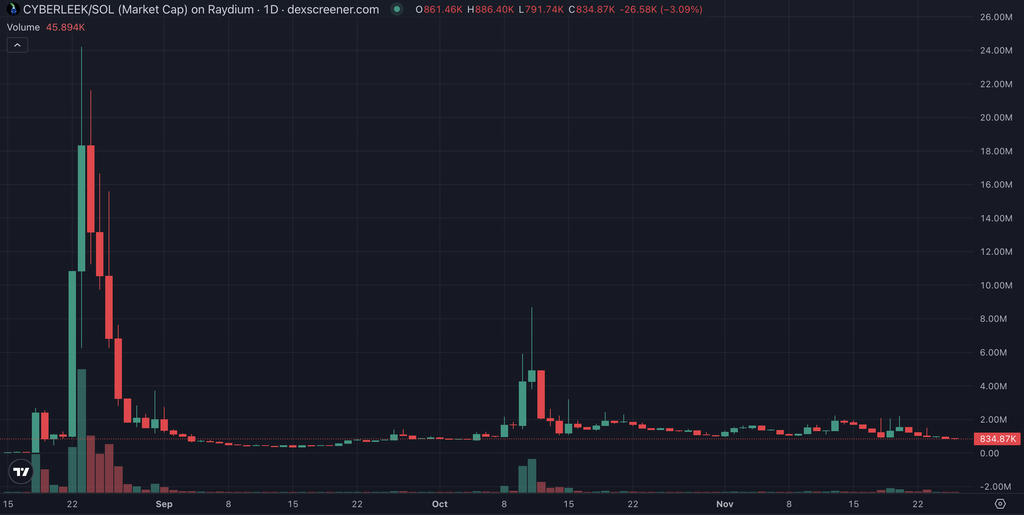
Gameplay leaker Cyberleek helped fuel the push for an unofficial PC version by releasing an executable from an Xbox build. The leaker had previously used unseen game footage to promote a crypto token launched in August. Its market capitalization fell from a peak of $22.4 million to around $900,000. Cyberleek had said they would release the executable only if the token recovered to $15 million, but released it at roughly $2 million instead.
Take-Two Interactive, the parent company of GTA developer Rockstar, sent a DMCA takedown notice that shut down Leonida, a separate modding project run by a 15-year-old on GitHub. The collaboration had attracted 3,007 GitHub repositories. Take-Two had also subpoenaed Microsoft, X and Discord in its pursuit of Cyberleek. The leaker described the pursuit as involving takedowns, subpoenas and wallet tracing, and maintained that the disclosures were a protest against game industry practices they considered anti-consumer.