In an analysis published on November 5, 2026, Glassnode described a Bitcoin market that had absorbed a pullback from its September high, while warning that spot ETF flows remained weak. This is a market-structure assessment, not a report of a change to Bitcoin payments or wallets.
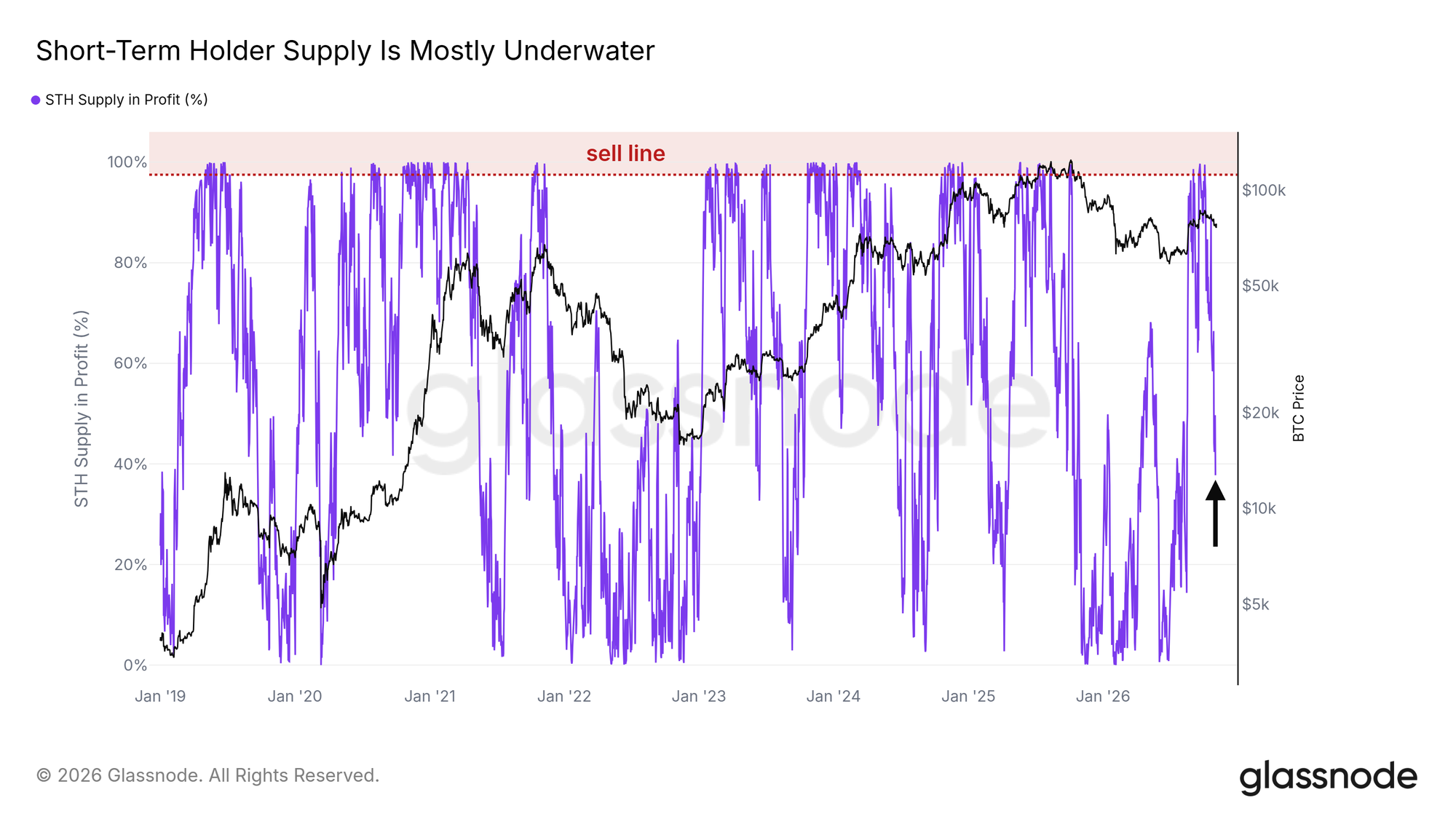
Recent buyers lose their profit cushion
Glassnode said the share of Bitcoin held by short-term holders at an unrealized profit fell from more than 97.5% in early October to about 38%. It defines short-term holders as buyers from the preceding 155 days. The decline followed a roughly 10% retreat from the September high and means many recent buyers were no longer sitting on paper gains.
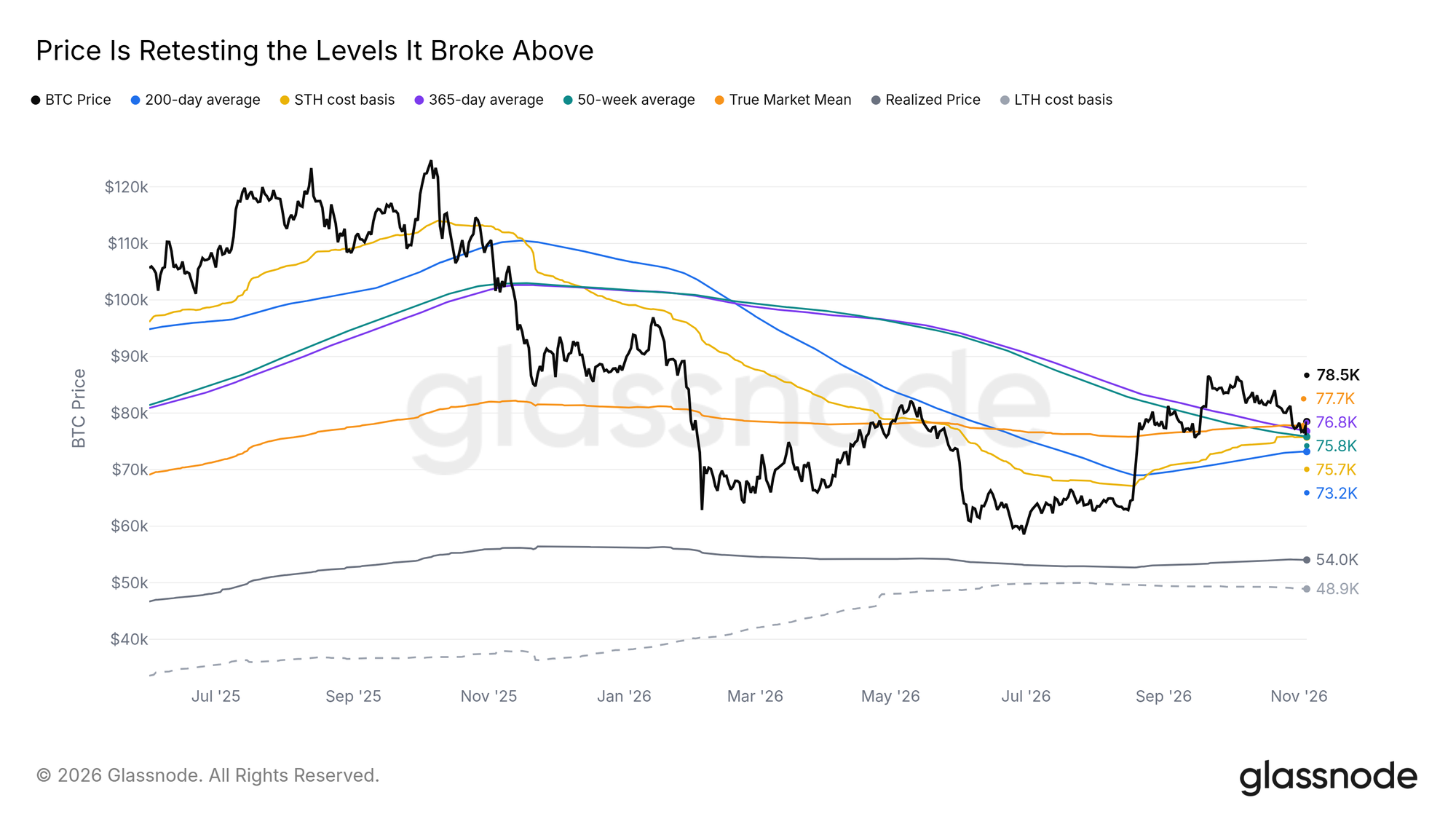
The analysis placed its True Market Mean at $77,700 and the short-term holder cost basis near $75,700. It said Bitcoin briefly closed below the former on November 3 and reached an overnight low of $76,100 before moving back above it. These are reference levels in Glassnode’s analysis, not guaranteed price floors.
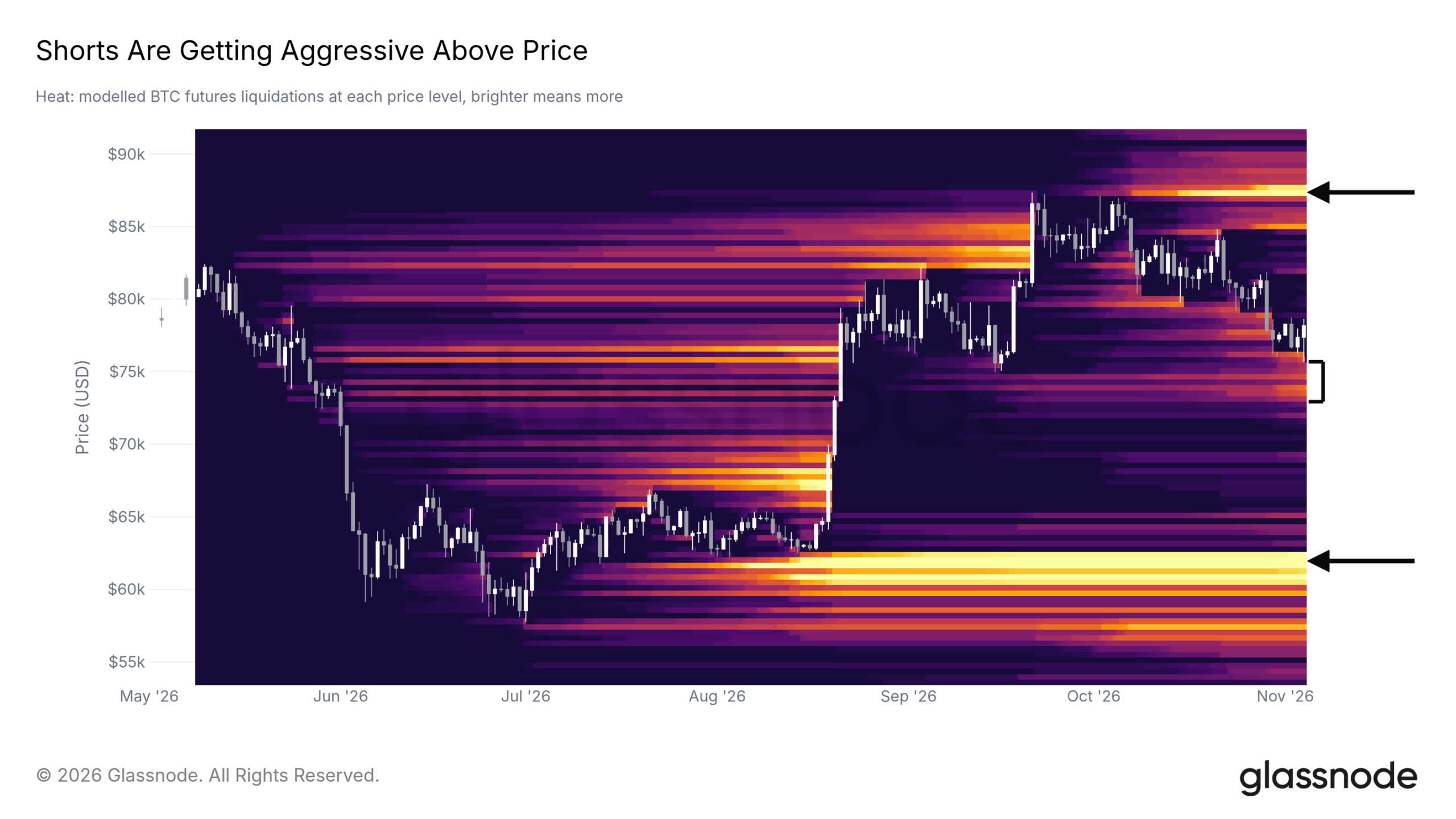
Glassnode’s liquidation model showed fewer leveraged long positions exposed below the market after the pullback, with a remaining liquidation band around $73,000–$76,000. It identified the largest cluster of potential short liquidations near $87,000. Such a map estimates where forced closures could occur; it does not establish that the price will reach those levels.
Options interest contrasts with ETF outflows
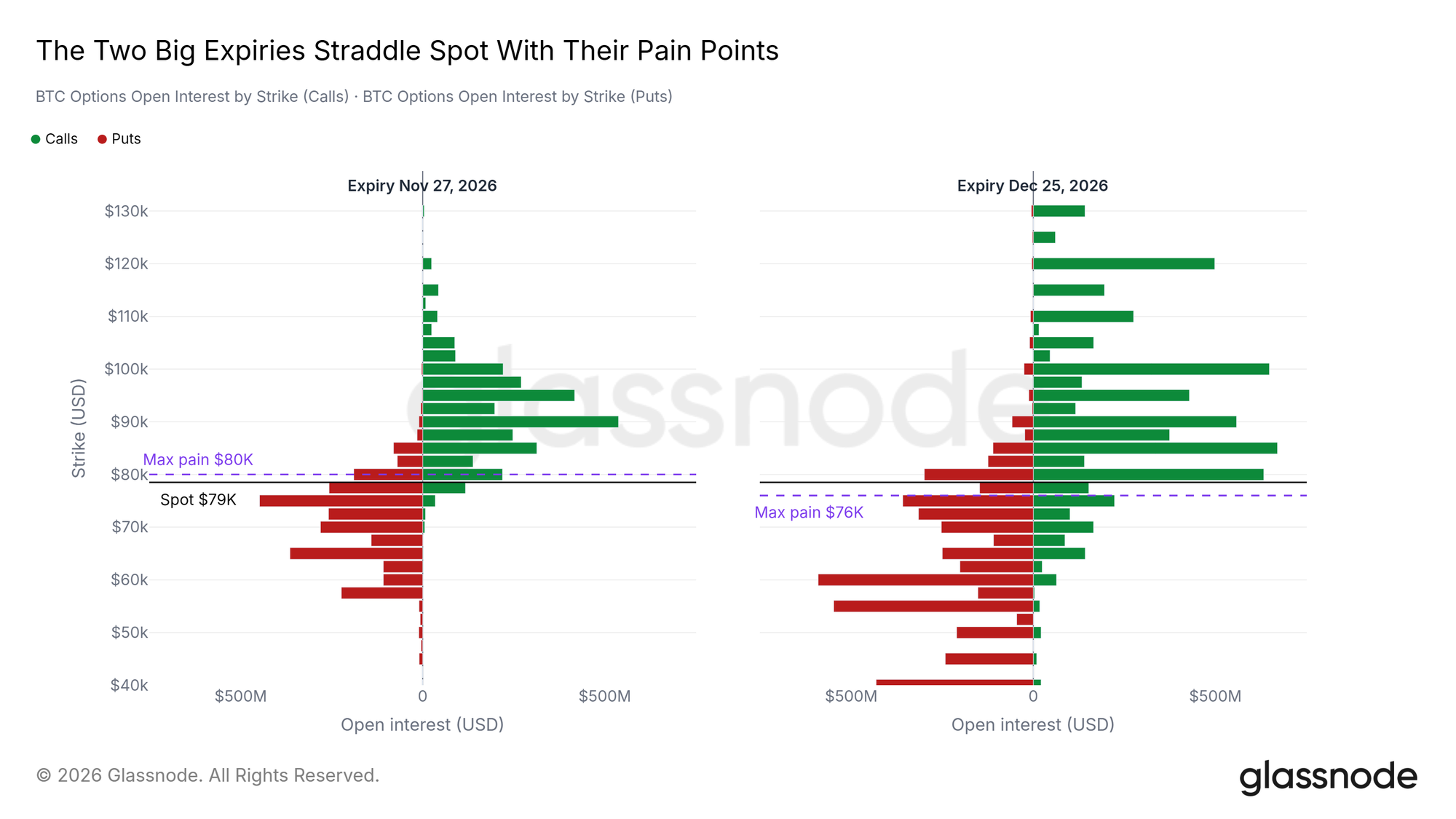
Across the options positions Glassnode examined, calls totaled about $18 billion against roughly $13 billion in puts. It reported large call positions at $80,000, $90,000, $100,000 and $120,000 for late-December expiry. The analysis also listed November 27 and December 25 expiries with approximately $5.7 billion and $12.5 billion in open interest, respectively.
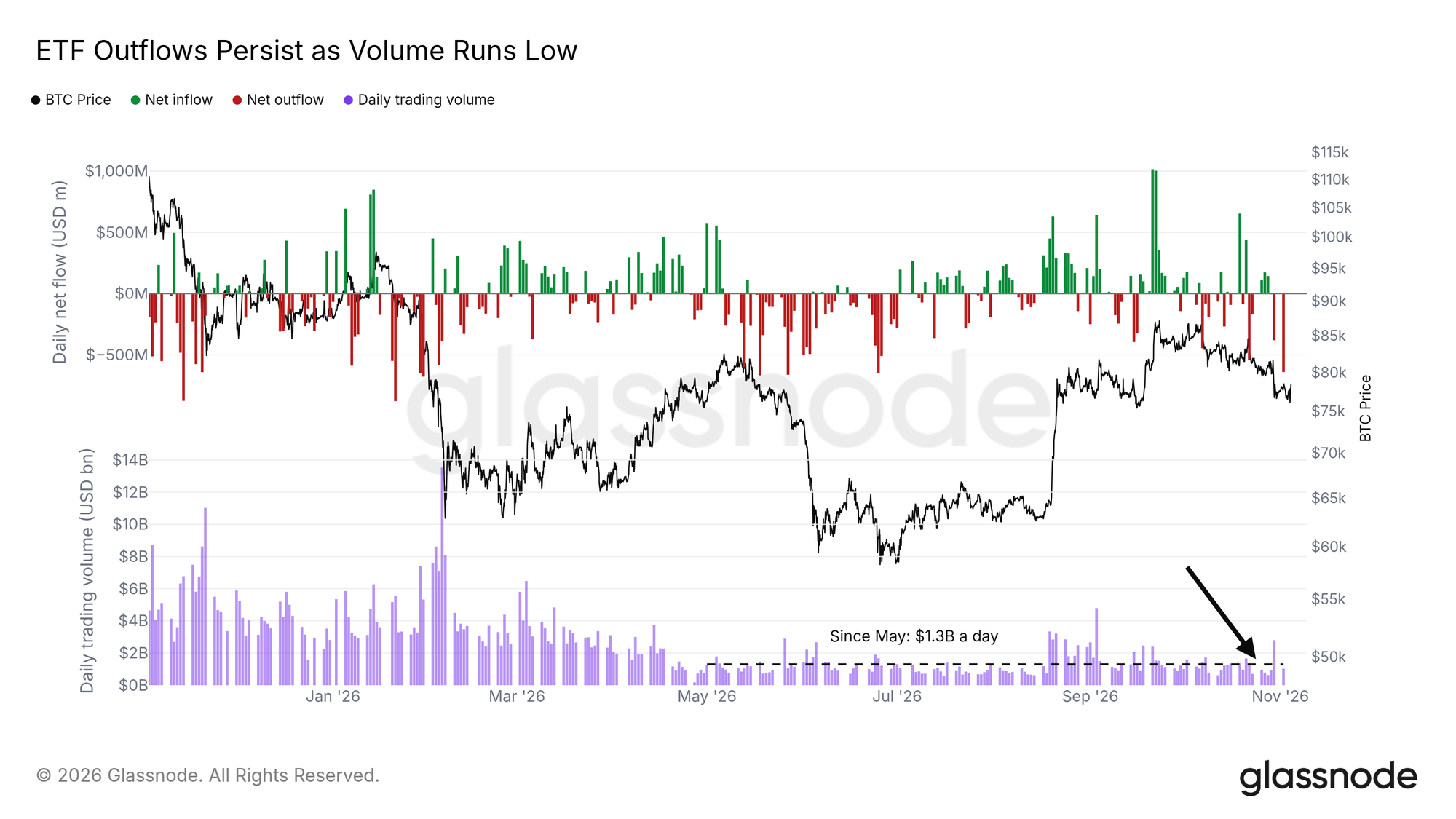
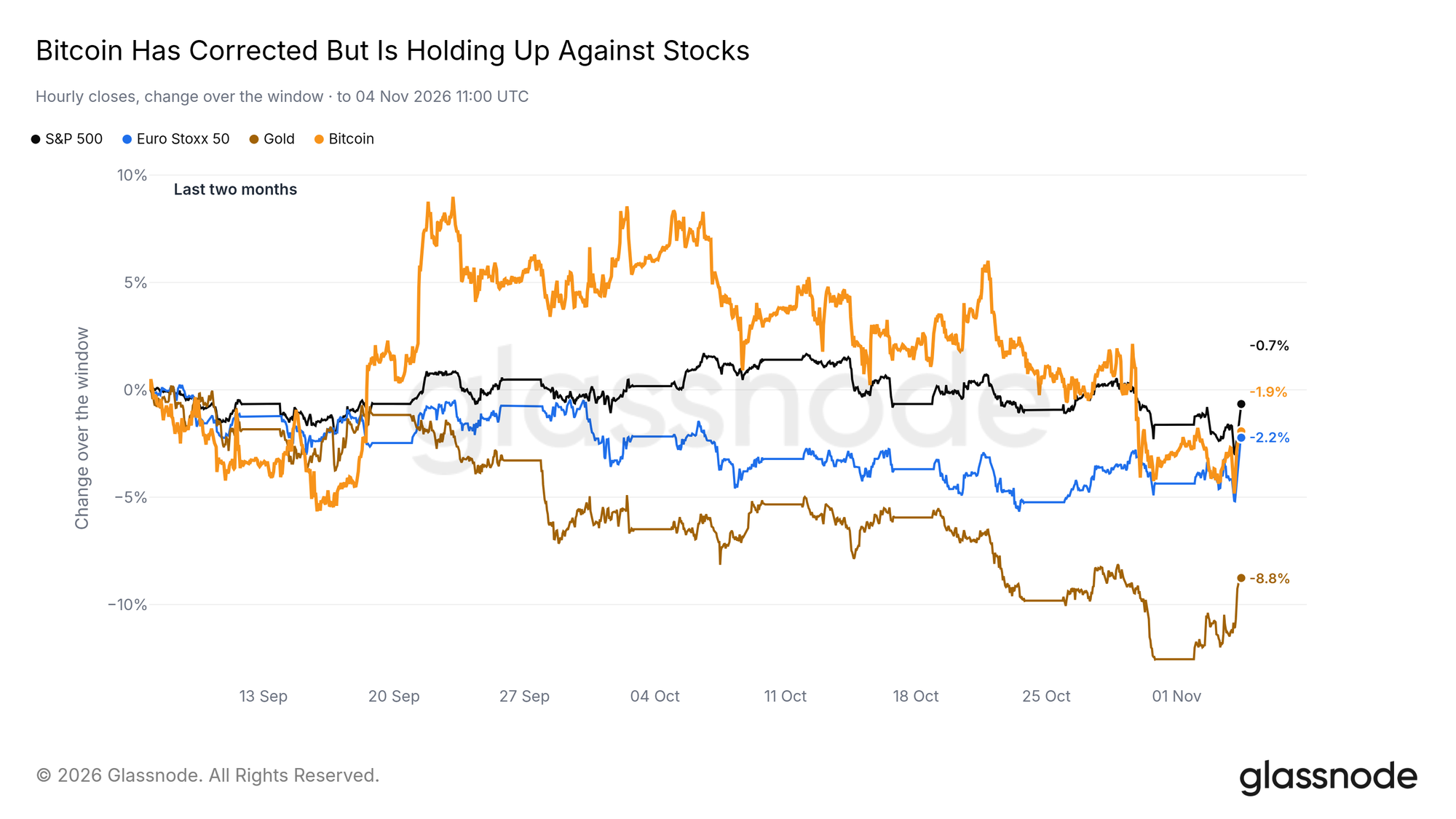
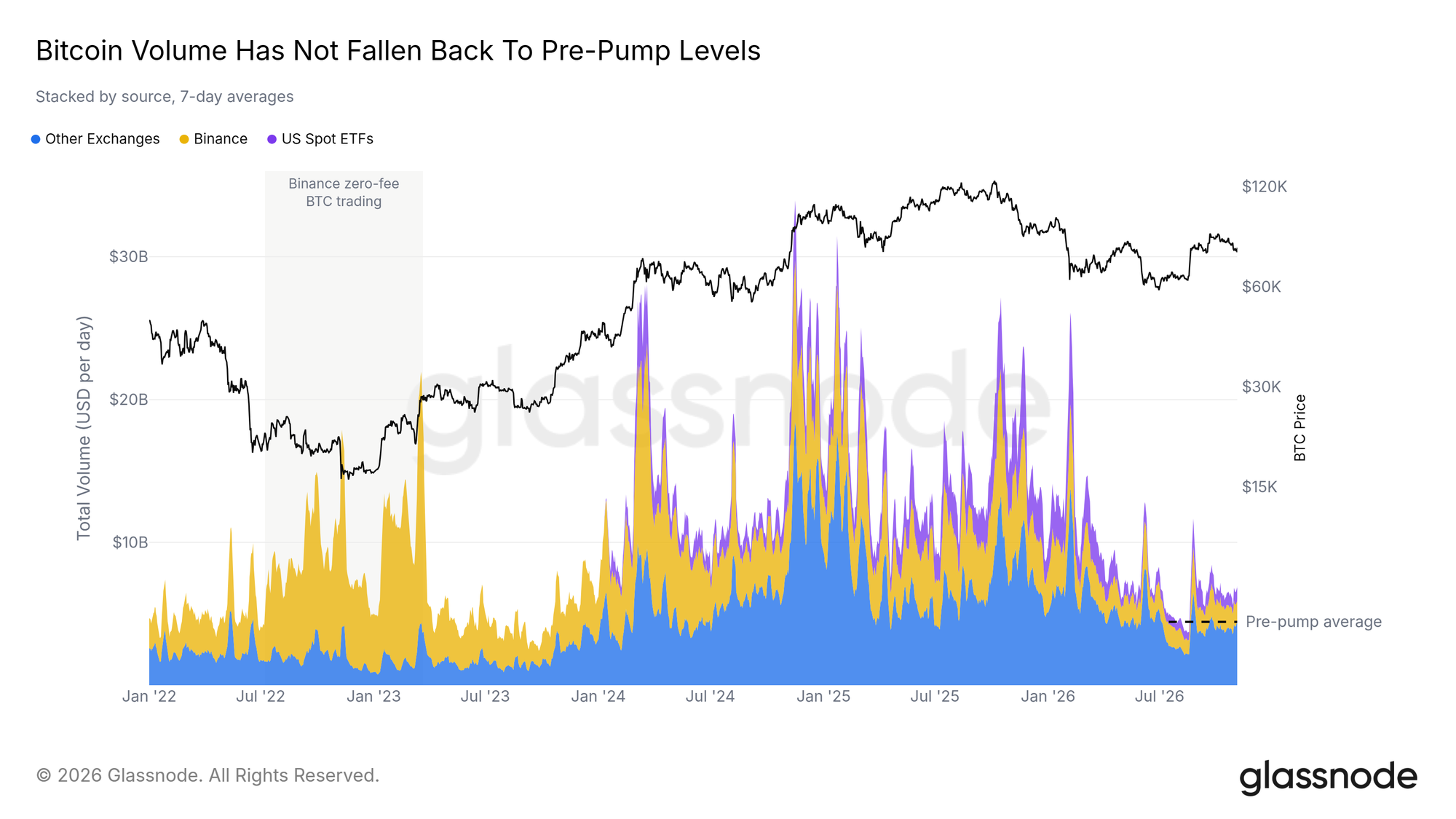
Spot activity had not disappeared: Glassnode put average daily Bitcoin spot volume over the preceding two weeks at about $24 billion, roughly 50% above its pre-August-breakout baseline. At the same time, it reported nearly $1 billion in net outflows from US spot Bitcoin ETFs over the two reporting weeks. Trading volume and net new investment are different measures; active trading alone does not show fresh money entering the market.
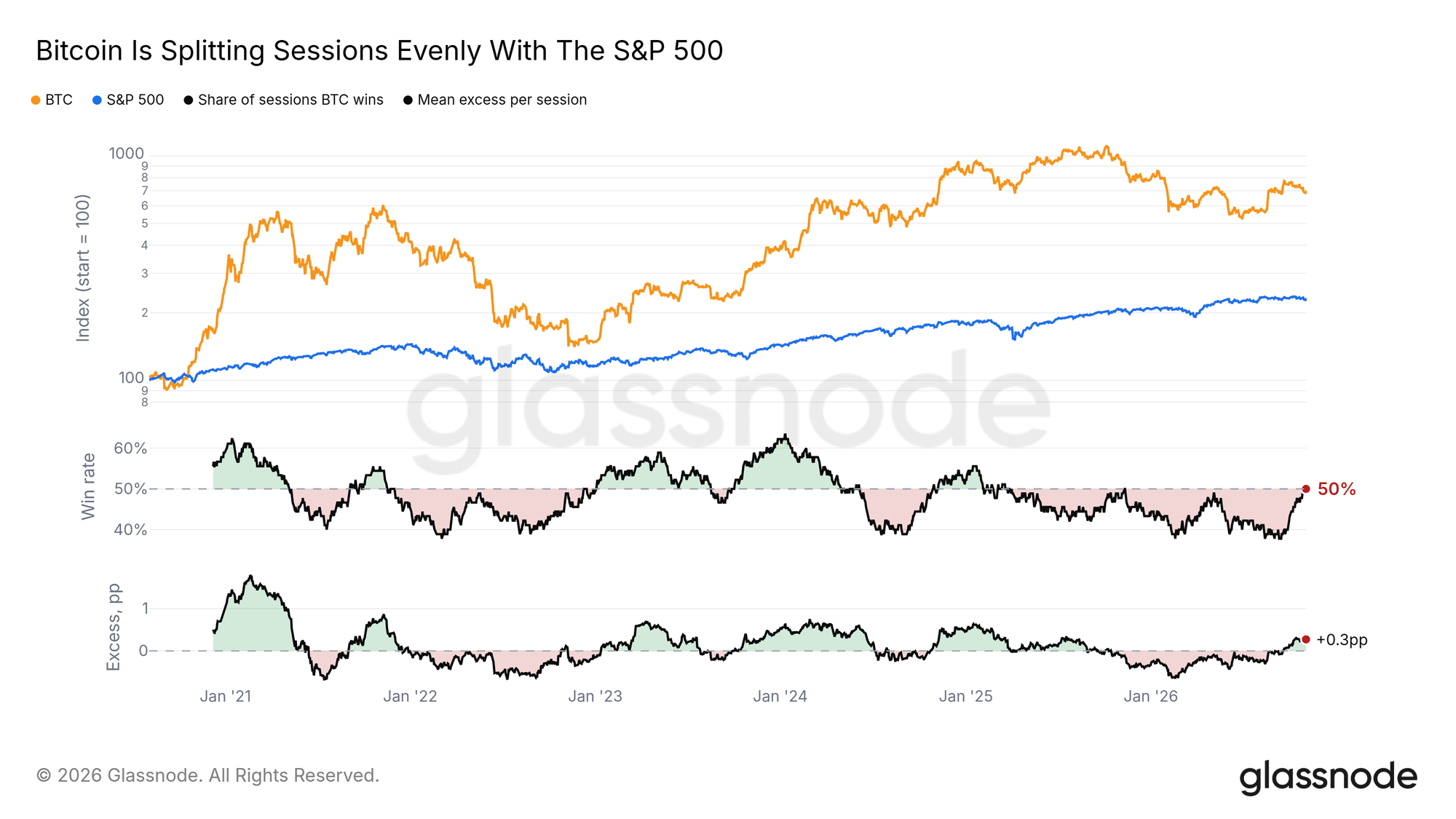
Claims and limits in the broader market account
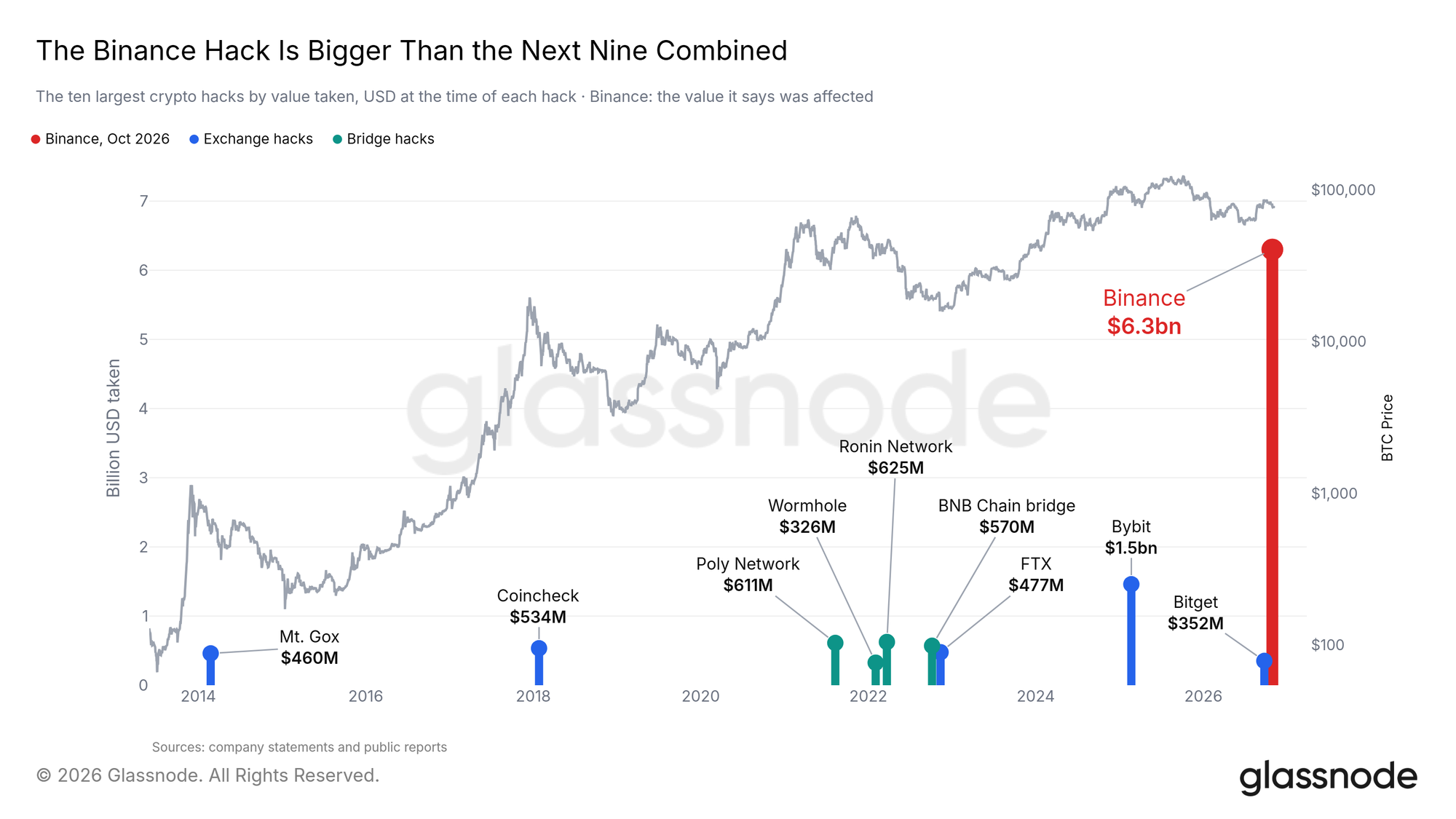
The report attributed to Binance an October 29 disclosure of a hot-wallet attack involving approximately $6.3 billion. It said Bitcoin dipped about 3% in the days after that disclosure before recovering toward its earlier level. Those incident details and the proposed link between the event and the price move are claims in the supplied analysis, not independently established here.
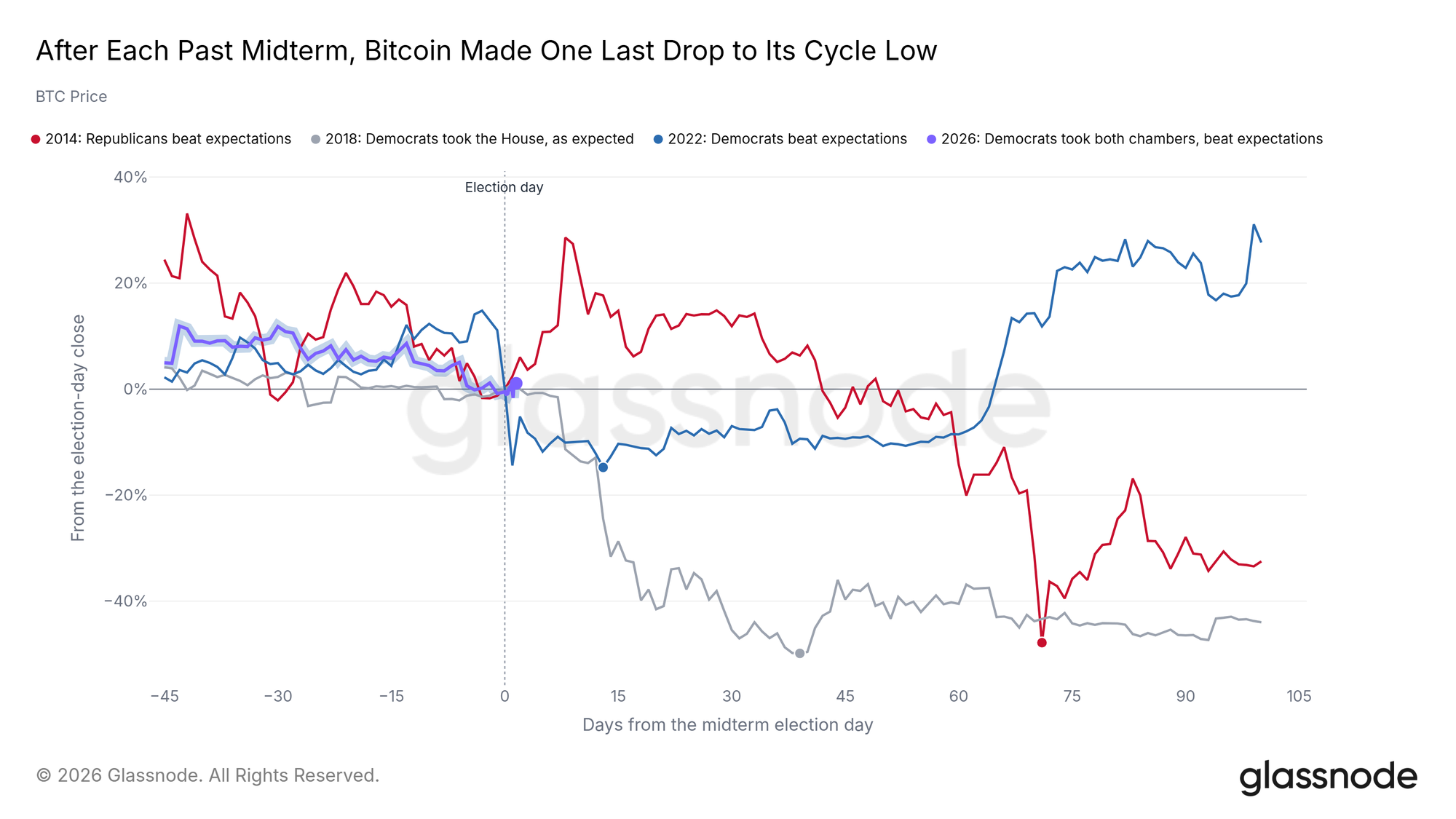
The analysis also said Democrats won control of both chambers of Congress in the November 3 US midterm elections and compared Bitcoin’s subsequent movement with earlier election cycles. Its comparisons are historical observations, not a basis for assuming the same pattern will recur.
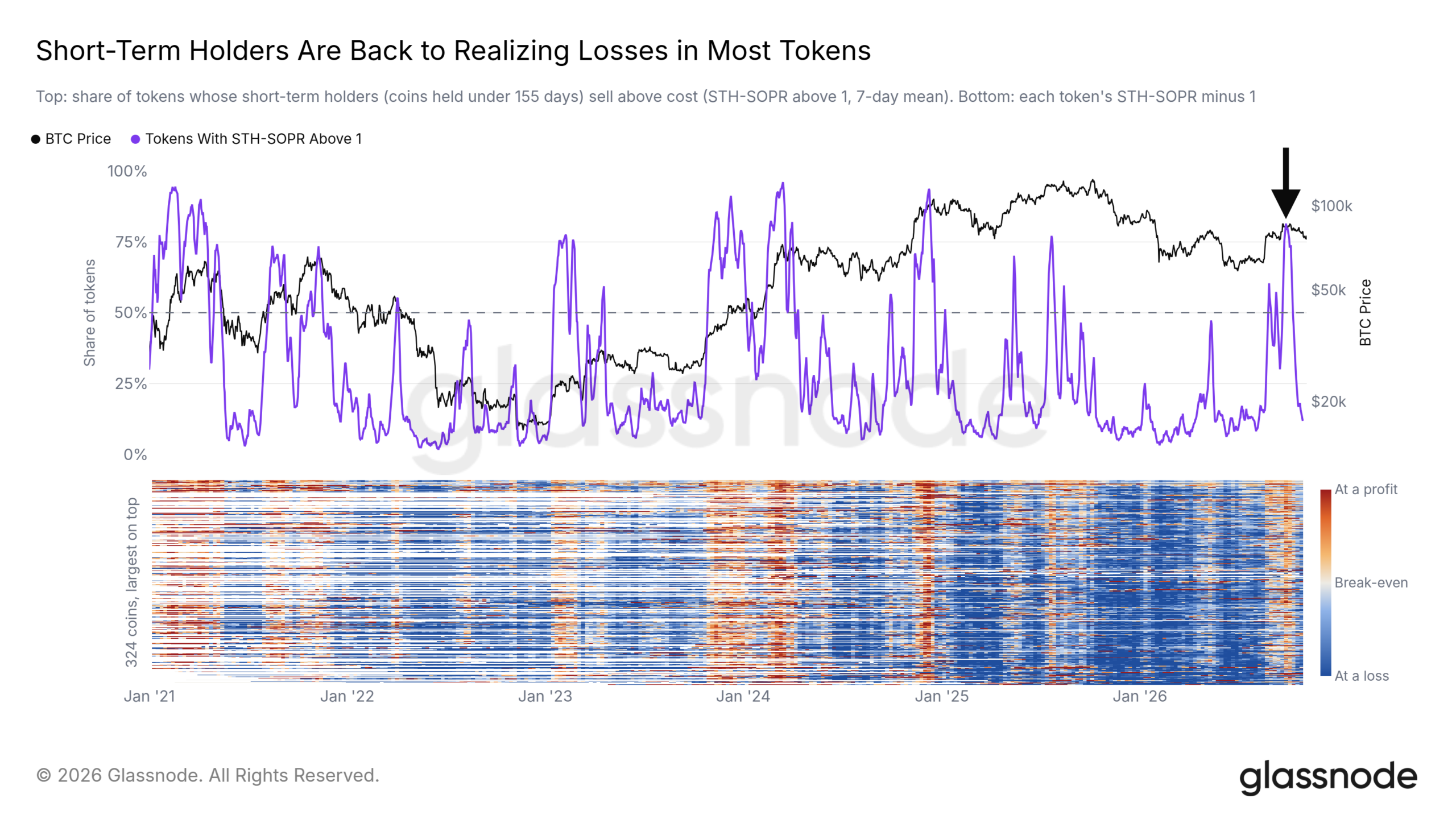
Glassnode’s central conclusion was conditional: it viewed the retreat as a reset of recent-holder profits and leveraged positions, but said a sustained break below $73,000 would change that assessment. The reported ETF outflows remain a counterweight to its more constructive reading of spot volume and derivatives positioning.